Big Papercut Bundle: 170 Files for Modern Stitchers
When I first opened the folder labeled Big Papercut Bundle - 170 Files, my immediate reaction wasn't just about the volume of content, but the specific aesthetic potential it holds for modern embroidery. As a designer who spends hours digitizing and stitching, I look for files that bridge the gap between digital precision and tactile warmth. This collection sits firmly in the Crafts category, yet its application extends far beyond simple hobbyist projects. The "papercut" style—characterized by layered silhouettes, intricate negative space, and bold, graphic shapes—translates surprisingly well to thread work, provided the digitizer has respected the limitations of the needle and fabric.
First Impressions: A Graphic Mood for Textile Art
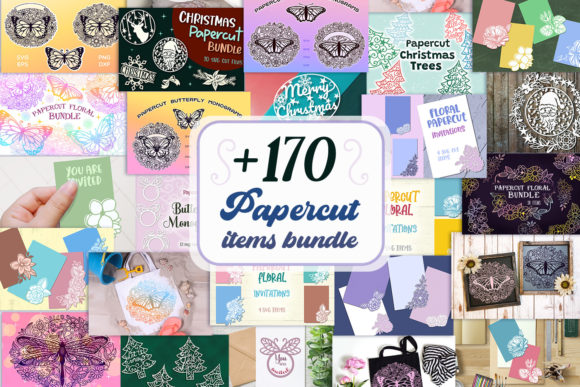
The visual personality of this bundle is distinct. It feels curated for those who appreciate clean lines and high-contrast imagery. Unlike traditional floral or script-heavy designs that rely on satin stitch gradients to create depth, these files lean heavily on shape definition. When viewing the thumbnails, the mood is contemporary and slightly whimsical, perfect for boutique branding or personalized gifts that need to stand out on a crowded shelf. The layout of the 170 files suggests a versatile toolkit; you aren't just getting one motif, but a library of assets that can be mixed, matched, or used individually to create a cohesive product line.
For an Etsy seller or small shop owner, consistency is key. Having a large set of files that share a common design language means you can offer customization without sacrificing brand identity. Whether you are creating a series of holiday embroidery patterns or a permanent collection of nursery decor, the uniformity in style helps customers recognize your work instantly.
Real-World Application: The Tote Bag Test
To truly evaluate a machine embroidery design, I have to imagine it on a physical object. Let's consider a practical scenario: preparing a custom embroidered tote bag for a local farmer's market vendor. Canvas tote bags are sturdy, but they have a coarse fabric texture that can swallow fine details. Here is where the Big Papercut Bundle - 170 Files shines. The bold, graphic nature of papercut styles typically utilizes larger fill areas and defined running stitches, which hold up better on textured canvas than delicate, micro-detail designs.
If I were to stitch one of these silhouettes onto a natural cotton tote, the contrast between the thread colors and the fabric would create a striking visual impact. The design wouldn't get lost in the weave of the material. Furthermore, because papercut art often relies on layers, a skilled embroiderer could interpret these files using an applique design technique. By cutting fabric shapes to match the digital layers and securing them with a tight satin or wide zigzag border, you add actual physical depth to the project. This transforms a flat digital embroidery file into a tactile handmade product that feels premium and justifies a higher price point.
Versatility Across Products
Beyond tote bags, the versatility of this bundle allows for diverse applications in custom apparel. Imagine a sweatshirt embroidery project where a large, central graphic is needed on the back of a hoodie. The scale of these files likely supports larger hoop sizes, making them ideal for statement pieces. Similarly, for baby embroidery, the softer, rounded edges often found in papercut illustrations make for gentle, appealing motifs on onesies or blanket corners. However, one must always be mindful of the stitch density. While the visual style is open, some digitized versions might pack stitches tightly to simulate solid paper. On stretchy knit fabrics, high density can lead to puckering, so testing on scrap fabric is non-negotiable.
For those interested in embroidered patch creation, these files are arguably the strongest candidates. The clear boundaries and distinct shapes inherent in papercut art translate perfectly to the merrowed edges of a patch. A small batch of patches featuring different elements from the 170-file collection could become a best-selling small shop product, offering customers a way to customize their own jackets or bags.
Technical Considerations and Potential Pitfalls
While the aesthetic appeal is high, practical execution requires a critical eye. Not every file in a massive bundle will be perfect for every situation. When working with Big Papercut Bundle - 170 Files, pay close attention to the following technical aspects:
- Hoop Size Constraints: Some intricate scenes within the bundle may require a large hoop. If you primarily work with a 4x4 inch hoop, verify the dimensions of each file before committing to a project like a cap or a pocket.
- Fabric Compatibility: Dark fabrics can be tricky with papercut styles if the design relies on negative space (where the fabric shows through as part of the image). Ensure there is enough contrast between your thread colors and the garment.
- Curved Surfaces: Applying these designs to caps or curved pillows requires careful hooping and potentially a different stabilizer strategy to prevent distortion of the geometric lines.
- Washability: Projects intended for frequent washing, like kitchen towels or aprons, need robust underlay and secure tie-offs. Check the file structure to ensure it can withstand industrial laundering if you are selling commercial goods.
It is also crucial to remember that while the visual style mimics paper, thread behaves differently. Sharp, 90-degree corners in a papercut design can be difficult to stitch cleanly without manual editing or trimming. A good reviewer always advises checking the preview in your embroidery software to see how the satin stitch or fill stitch handles these acute angles.
Enhancing Brand Value and Customer Trust
In the world of commercial embroidery, the quality of your design assets directly influences customer trust. Using a cohesive, high-quality bundle like this signals professionalism. When a client sees a finished product with crisp lines and thoughtful composition, they perceive higher value. This is particularly important for printable mockup creation; having a library of 170 files allows you to generate diverse marketing images quickly, showcasing how your services can adapt to various themes without needing to source new designs constantly.
Moreover, the "papercut" trend remains popular in home decor and wedding industries. Utilizing these files for holiday embroidery or wedding gifts can tap into current market demands. The intricate layering effect, even when simulated with thread, adds a level of sophistication that simple monograms often lack.
Final Designer Notes
Before integrating Big Papercut Bundle - 170 Files into your workflow, treat it with the same rigor as any other professional tool. Always test the design on a scrap piece of the actual fabric you intend to use. Check the thread color contrast by viewing the design in black and white within your software; if it loses definition in grayscale, it might not pop enough on the final product. Confirm the licensing terms explicitly—while many bundles allow for commercial use of finished physical items, restrictions on reselling the digital files themselves are common.
Ultimately, this collection offers a robust foundation for creative entrepreneurs looking to expand their catalog with modern, graphic-heavy designs. By understanding the interplay between the digital file and the physical medium, you can turn these 170 assets into a profitable and visually stunning range of handmade goods.