Happy Holla Days: A Designer’s Review for Embroidery Projects
As an embroidery designer who has spent countless hours digitizing, stitching, and troubleshooting designs for clients, I approach every new machine embroidery design with a critical eye. It is not just about whether the image looks cute on a screen; it is about how it translates to thread, how it behaves on fabric, and ultimately, how it performs in the hands of a customer. Recently, I evaluated Happy Holla Days, a festive piece that falls squarely into the popular category of T-Shirt Designs and holiday apparel. Here is my practical assessment of this design for real-world application.
First Impressions and Visual Personality
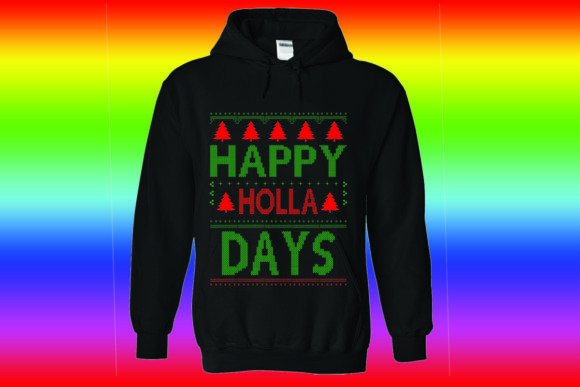
The first thing that strikes you about Happy Holla Days is its playful energy. The typography suggests a casual, fun-loving vibe, perfect for breaking the stiffness of traditional holiday decor. In the digital preview, the layout appears balanced, with a clear focal point that draws the eye immediately. For those of us creating design assets for small businesses, this visual clarity is crucial. A design that is too cluttered gets lost in the stitch conversion, but this one maintains its personality.
The mood is undeniably cheerful. It does not take itself too seriously, which makes it an excellent candidate for informal gifts and casual wear. When I imagine this stitched out, I see it working best with bold, contrasting thread colors. The shape and theme lend themselves well to a variety of interpretations, from classic red and green to more modern, unconventional palettes like teal and gold or even monochrome blackwork for a subtle look.
Real-World Application: From Screen to Stitch
To truly test the viability of Happy Holla Days, I mentally placed it into several common production scenarios. Let’s consider a custom order for a local boutique. The client wants a run of twenty matching sweatshirts for a family reunion. This is where the rubber meets the road. Sweatshirt fleece is thick and textured. A design with appropriate stitch density is essential here. If the design relies too heavily on fine running stitch details, they may sink into the pile of the fabric. However, if Happy Holla Days utilizes solid fill stitch areas effectively, it will pop beautifully against the fuzzy background.
Another common use case is the tote bag design. Canvas bags are sturdy, but they can be unforgiving if the design is too dense, causing the fabric to pucker. I would recommend testing this design on a scrap piece of canvas first. If the design includes an applique design option, that would be the superior choice for tote bags, as it reduces bulk and adds a lovely textural contrast. For standard embroidery, ensuring you use a cut-away stabilizer is non-negotiable to maintain the integrity of the finished product.
For Etsy sellers and craft business owners, versatility is key. This design could easily transition from a sweatshirt embroidery project to a decorative pillow cover or a kitchen towel. The "Holla" pun suggests a youthful, trendy appeal, making it ideal for personalized gift items aimed at millennials or Gen Z buyers. It fits naturally into the niche of holiday embroidery that feels fresh rather than dated.
Technical Considerations and Fabric Choices
While Happy Holla Days shows promise, there are technical constraints to consider. Not every fabric is a suitable canvas. For instance, using this on thin, stretchy jersey for a custom apparel line requires caution. Without proper stabilization, the stitches can pull the fabric, distorting the lettering. I always advise checking the hoop size requirements before committing to a large garment. If the design is large, you need a hoop that can accommodate it without excessive re-hooping, which risks misalignment.
Dark fabrics present another challenge. If you are stitching white or light-colored threads on a black hoodie, you must ensure the underlay stitches are sufficient to prevent the dark fabric from showing through the top stitches. This is particularly important for any satins stitch borders or detailed elements within the design. A quick test on a dark scrap can save you from ruining a costly garment.
Curved surfaces, such as caps or hats, require a different approach. If Happy Holla Days is intended for headwear, check if the design file includes a specialized version for caps. Standard flat embroidery files often distort when applied to the curved front panel of a baseball cap. If no cap-specific file is provided, you may need to adjust the pull compensation in your digitizing software or choose a simpler placement location, like the side or back of the cap.
Enhancing Product Value and Brand Consistency
From a business perspective, the quality of your embroidery directly impacts customer trust. A clean, well-stitched Happy Holla Days design signals professionalism. It tells the buyer that you care about the details. For small shop product lines, consistency is vital. If you are selling this as part of a holiday collection, ensure that the thread weights and finishes match your other items. Mixing matte and shiny threads unintentionally can make a handmade product look disjointed.
Furthermore, this design can enhance your printable mockup library. High-quality images of this design on various garments can boost engagement on social media and your online store. Buyers want to see how the embroidery project looks in context. Showing it on a cozy sweater, a crisp tote, or a festive apron helps customers visualize the item in their own lives, increasing the likelihood of a sale.
Practical Notes for the Embroiderer
Before you load this digital embroidery file into your machine, take a moment to review the technical specs. Since specific details like exact stitch count and file formats were not provided in the initial description, you must verify these with the seller. Ensure the file format is compatible with your machine (PES, DST, JEF, etc.).
- Test on Scrap Fabric: Always stitch a test sample on the same type of fabric you intend to use for the final product. This allows you to adjust tension and density if needed.
- Check Thread Contrast: Choose thread colors that stand out against your fabric. High contrast improves readability, especially for text-based designs.
- Review Stitch Density: If the design feels too stiff after stitching, consider reducing the density slightly in your editing software, if you have the skills and rights to do so.
- Confirm Licensing: If you plan to sell items featuring Happy Holla Days, confirm the license terms. Most designers allow commercial use for finished physical items, but restrictions may apply to digital resale or mass production.
- Inspect Small Details: Zoom in on the digital file. Are there tiny elements that might break or bunch up? If so, consider removing or simplifying them for better durability.
Final Verdict
Happy Holla Days is a strong contender for your holiday lineup. Its playful nature and versatile layout make it suitable for a wide range of commercial embroidery projects, from baby embroidery onesies to adult apparel. By paying attention to fabric choice, stabilization, and thread selection, you can ensure that this design delivers a high-quality, professional result. Whether you are an experienced Etsy seller or a hobbyist looking to create unique holiday gifts, this design offers the creative flexibility needed to produce standout items. Just remember to test, adjust, and stitch with confidence.