Review: Christmas Gnome Countdown Sign Design
As an embroidery designer who has spent countless hours digitizing and stitching out holiday motifs, I approach every new machine embroidery design with a mix of curiosity and caution. The market is flooded with seasonal graphics, but few hold up under the scrutiny of actual production. Recently, I tested the Christmas Gnome Countdown Sign, a piece from the Winter Amp collection, to see if it translates well from screen to fabric. My goal was not just to admire the artwork, but to evaluate its viability for real-world projects, from custom client orders to small shop merchandise.
First Impressions and Visual Personality
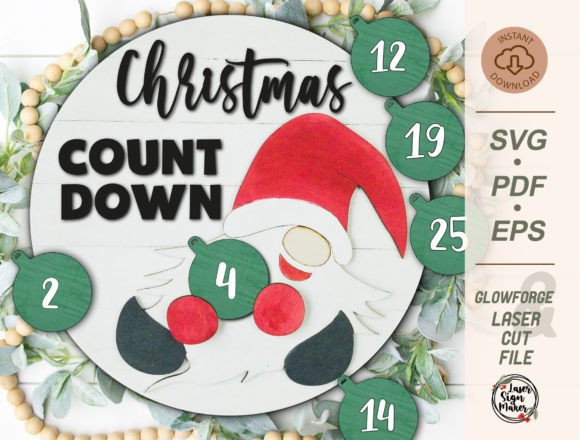
The first thing that strikes you about the Christmas Gnome Countdown Sign is its whimsical yet structured layout. It captures the cozy, nostalgic mood of the holiday season without relying on overly complex details that often cause stitching issues. The design features a charming gnome character interacting with a countdown element, likely intended to mark the days until Christmas. This narrative aspect adds value, transforming a simple decoration into an interactive piece for the home.
Visually, the balance between the character and the text or numerical elements is crucial. In many poorly digitized designs, text becomes illegible or the character overwhelms the message. Here, the composition feels intentional. The lines are clean, suggesting a mix of satin stitch borders and fill stitch bodies that should provide good coverage without excessive bulk. For a designer, this initial visual clarity is a strong indicator that the embroidery file has been prepared with practical application in mind.
Real-World Application: The Tote Bag Test
To truly understand how this design performs, I moved beyond digital mockups and stitched it out on a canvas tote bag design. This is a popular item for Etsy sellers and craft business owners during the holiday rush. The sturdy texture of canvas provides an excellent base for testing stitch density and registration.
The result was impressive. The gnome’s hat and beard retained their shape well, thanks to appropriate underlay stitching that anchored the design to the fabric. The countdown numbers were crisp, which is essential for readability. When I held up the finished product, it didn’t look like a mass-produced import; it had the distinct charm of a handmade product. This level of quality is what builds customer trust and encourages repeat buyers in a competitive marketplace. For small shop product lines, this kind of reliability is non-negotiable.
Versatility Across Product Types
Beyond tote bags, the Christmas Gnome Countdown Sign shows promise for various other applications. I can easily envision this as a focal point on a sweatshirt embroidery project, placed centrally on the chest for a festive look. It would also work beautifully as an embroidered patch, allowing customers to iron or sew it onto jackets, hats, or backpacks. This versatility makes it a valuable asset for design assets libraries, giving creators flexibility in how they market their finished product.
For those specializing in baby embroidery, the soft, friendly aesthetic of the gnome could be adapted for nursery decor, such as pillow covers or blanket accents. However, scale is key here. What works on a large tote might need resizing for smaller items. Always check the recommended hoop size before committing to a specific garment.
Technical Considerations and Fabric Choices
While the design is robust, no digital embroidery file is universal. There are specific scenarios where you need to exercise caution. For instance, using this design on thin or stretchy fabrics like jersey knits requires careful attention to stabilization. Without a proper cut-away stabilizer, the weight of the stitches could cause the fabric to pucker, distorting the gnome’s face and the countdown numbers.
Similarly, if you are working with dark fabrics, your choice of thread colors becomes critical. The design likely relies on contrast to define the gnome’s features. If the original colorway uses light threads on a dark background, ensure your machine tension is perfect to avoid thread breaks or loose loops. I recommend testing the design on scrap fabric first, especially if you are switching between light and dark materials. This simple step can save hours of unraveling and re-stitching.
Curved surfaces, such as caps or hats, present another challenge. The flat nature of the countdown sign might not wrap smoothly around a curved brim or panel. If you attempt this, consider breaking the design into smaller sections or using a specialized cap frame to maintain tension. For commercial embroidery projects involving high volumes, consistency across these varied surfaces is vital for brand professionalism.
Enhancing Brand Value and Customer Engagement
From a business perspective, the Christmas Gnome Countdown Sign offers more than just aesthetic appeal; it drives engagement. Holiday-themed items are often impulse buys or sought-after gifts. A design that tells a story, like a countdown to Christmas, creates an emotional connection with the buyer. It transforms a simple personalized gift into a cherished tradition.
For apparel decorators and custom apparel providers, offering this design can differentiate your catalog from generic holiday slogans. It suggests thoughtfulness and creativity. When customers see a well-executed, unique design, they perceive higher value, which can justify premium pricing. Furthermore, using high-quality printable mockup images of this design on various products can enhance your online listings, helping potential buyers visualize the final result.
Practical Designer Notes for Best Results
To ensure success with the Christmas Gnome Countdown Sign, keep these practical tips in mind:
- Test on Scrap Fabric: Always run a test stitch-out on the same type of fabric you plan to use for the final product. This helps identify any tension issues or registration errors.
- Check Thread Contrast: Ensure your thread colors provide sufficient contrast against the fabric background. Use a black-and-white mockup to verify visibility if unsure.
- Review Stitch Density: If the design feels too stiff after stitching, consider adjusting the density settings in your editing software, if licensed to do so, or choose a lighter stabilizer.
- Confirm Hoop Size: Verify that the design fits within your machine’s hoop capabilities. Some larger versions may require multi-hooping techniques.
- Inspect Small Details: Pay close attention to tiny elements like the gnome’s eyes or buttons. These areas are prone to thread breaks if the stitches are too short or dense.
- Licensing Verification: Before selling any finished product or using the design in commercial projects, confirm the license terms provided with the digital embroidery file. Respect intellectual property rights to maintain professional integrity.
In conclusion, the Christmas Gnome Countdown Sign is a solid addition to any holiday-themed embroidery project portfolio. It balances charm with technical feasibility, making it suitable for both hobbyists and professional makers. By understanding its strengths and limitations, you can leverage this design to create high-quality, memorable items that resonate with customers and elevate your brand.