It's So Good to Be Home: A Designer's Review
As someone who spends more time at the hoop than anywhere else, I approach every new machine embroidery design with a mix of excitement and skepticism. We have all seen those digital files that look perfect on a screen but turn into a thread-breaking nightmare once the needle hits the fabric. That is why I took a close look at It's so Good to Be Home before committing it to any client work or personal projects. This isn't just about whether the phrase is cute; it is about whether the layout, density, and flow actually work for real-world applications like custom apparel, home decor, and small shop merchandise.
First Impressions and Visual Personality
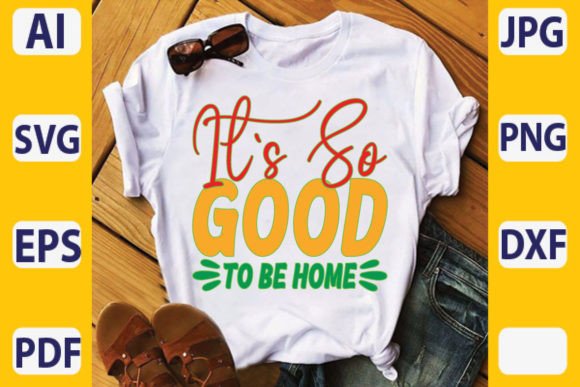
The moment you pull up the preview for It's so Good to Be Home, the mood is immediately warm and inviting. There is a specific kind of typography and arrangement that screams "comfort," and this design captures that essence without feeling cluttered. For a designer, the first thing I check is the balance between the text and any accompanying graphical elements. In this case, the layout feels open and breathable, which is crucial for maintaining clarity when stitched out.
The visual personality of this piece leans heavily into the cozy, domestic aesthetic that is currently dominating the handmade market. It fits perfectly into the niche of nursery decor, kitchen textiles, and welcome gifts. However, from a technical standpoint, the spacing between letters and the curvature of the lines suggest that this design relies on precise tension settings. If your machine is acting up, the tight curves could puckering, so this is not a design to run on a whim without testing.
Real-World Application: The Tote Bag Test
To truly evaluate an embroidery file, you have to imagine it on a physical object. I envisioned using It's so Good to Be Home on a heavy canvas tote bag, a staple item for many Etsy sellers and craft fair vendors. The concept was to create a "welcome home" gift set for a real estate client or a housewarming present. On a flat, stable surface like canvas, the design shines. The satin stitch elements likely used for the lettering would pop against the textured weave of the bag, providing excellent contrast.
However, if you are planning to use this for sweatshirt embroidery or on stretchy knits, you need to be cautious. The phrase has a certain length that requires a decent amount of horizontal space. On a bulky fleece hoodie, the fabric might shift under the needle, especially if the design includes fine details. I would recommend pairing this with a cut-away stabilizer rather than a tear-away to ensure the finished product holds its shape after multiple washes. For a personalized gift intended to last, stability is non-negotiable.
Versatility Across Product Lines
One of the strongest assets of It's so Good to Be Home is its adaptability across different categories of custom apparel and home goods. Here is how I see it performing in various scenarios:
- Kitchen Towels and Aprons: The theme is naturally suited for the kitchen. Stitched onto a linen tea towel, it adds a touch of boutique charm that elevates a simple utility item into a decorative piece.
- Pillow Covers: As a central motif on a throw pillow, the design acts as a focal point. It works well for both modern farmhouse styles and traditional cozy interiors.
- Baby Embroidery: While the sentiment fits a nursery, you must verify the scale. If the lettering is too small, it may not be suitable for baby clothes due to safety and durability concerns regarding small, dense stitches near a child's face.
- Holiday Embroidery: This design is a year-round winner, but it becomes particularly poignant during the winter holidays when people are traveling and returning to their families. It makes for an excellent addition to holiday gift bundles.
Technical Considerations and Fabric Choices
While the aesthetic appeal is high, a professional reviewer must address the potential pitfalls. The success of It's so Good to Be Home depends heavily on your choice of fabric texture and thread colors. On dark fabrics, you will need to ensure the design has enough underlay or density to prevent the background from showing through, which can ruin the crispness of the text. Conversely, on very thin or delicate fabrics, the stitch density might be too aggressive, causing the material to pucker or distort.
If you are attempting to place this on curved surfaces, such as caps or hats, proceed with extreme caution. Text designs with long horizontal spans often struggle on the front panel of a cap unless they are specifically digitized for that curvature. Without a dedicated cap frame or proper hooping technique, the text could arch unintentionally. Furthermore, if the design includes tiny serifs or intricate corners, these areas are prone to thread breaks if the running stitch or fill transitions are not optimized.
Maximizing Value for Small Business Owners
For craft business owners and creative entrepreneurs, the perceived value of a finished product is tied directly to the quality of the stitching. A clean execution of It's so Good to Be Home signals professionalism and attention to detail. It tells the customer that the item was made with care, not just mass-produced. This enhances brand consistency and buyer engagement, making it easier to justify a higher price point for your handmade product.
When creating printable mockup files or digital previews for your online shop, this design offers strong visual appeal. It photographs well because the message is clear and universally relatable. However, remember that what looks good in a digital rendering might behave differently in thread. Always test your digital embroidery file on scrap fabric that matches your final product material. Check the back of the hoop as well; excessive jumping or messy trimmings can affect the comfort of wearable items.
Final Verdict and Designer Notes
In conclusion, It's so Good to Be Home is a solid contender for designers looking to add sentimental value to their catalog. It bridges the gap between trendy aesthetics and timeless messaging. However, it demands respect for the technical process. Before selling this as part of your small shop product line or using it for commercial orders, take the following steps:
- Test on Scrap: Never skip the stitch-out test. Use the exact fabric and stabilizer combination you plan to use for the final item.
- Check Licensing: Since this falls under Print Templates or digital assets, confirm the license terms. Ensure you are allowed to sell physical items made with this design if you are running a commercial operation.
- Review Hoop Size: Verify that the design fits within your available hoop sizes without needing to re-hoop, which can lead to alignment issues.
- Contrast Check: View your test stitch-out in black and white or step back from it to ensure the contrast is sufficient for readability from a distance.
Ultimately, It's so Good to Be Home has the potential to be a bestseller in the right context. It speaks to a universal feeling of comfort and belonging. With careful preparation, the right materials, and a keen eye for detail, this design can elevate your embroidery project from a simple craft to a cherished keepsake. Whether you are decorating a boutique or making a gift for a loved one, this design delivers on its promise, provided you give it the technical attention it deserves.