Sweet but Twisted: A Designer's Real-World Review
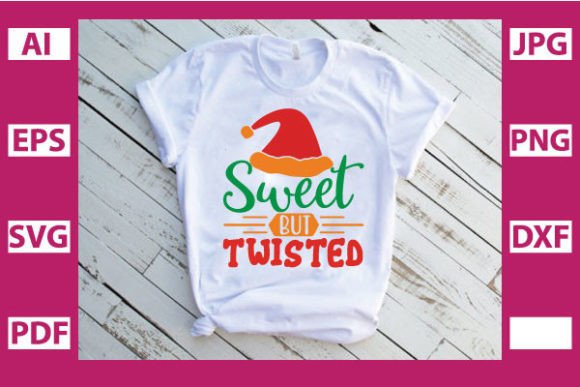
When I first pulled up the Sweet but Twisted file on my screen, I didn't just see a digital image; I immediately started mentally stitching it. As someone who spends hours hooping fabric and trimming jump stitches, my first impression is always about potential friction points. This design, categorized under Print Templates, carries a visual personality that suggests a playful duality—something innocent with a sharp, modern edge. For embroidery designers and small business owners, that kind of thematic tension is gold. It moves beyond generic "cute" motifs and offers a narrative that customers love to buy into. The layout feels balanced, not too heavy on one side, which is crucial when you are working with limited real estate on a garment or accessory.
Visualizing the Stitch-Out on Real Fabric
The true test of any machine embroidery design isn't how it looks in a vector preview, but how it translates to thread. I imagined this piece stitched onto a heather grey French terry sweatshirt. The "twisted" element of the design likely relies on clean lines and perhaps some clever negative space. If the digitizer utilized a mix of satin stitch for outlines and a lighter fill stitch for internal details, the texture would pop beautifully against the looped fabric of the sweatshirt. However, if the design leans heavily on dense fills, we might run into stiffness issues, especially on softer fabrics intended for baby embroidery or comfortable loungewear.
In a real-life scenario, picture preparing a custom order for a boutique client who wants a series of tote bags for a spring market. Sweet but Twisted would sit perfectly on a natural canvas tote. The contrast between the crisp thread and the woven texture of the bag would highlight the design's quirks. For an Etsy seller, this visual appeal translates directly to click-through rates on listings. Buyers engage with designs that feel unique and slightly rebellious yet approachable. When you present a finished product that looks professional and thoughtful, you build immediate trust. This isn't just a sticker slapped on a bag; it's a crafted asset that adds value to the base item.
Navigating Technical Challenges and Fabric Choices
Every designer knows that enthusiasm must be tempered with technical caution. Before committing Sweet but Twisted to a final project, there are specific areas where you need to proceed carefully. If you are planning to use this on a cap or a curved surface, the layout needs to be scrutinized. Curved surfaces distort designs, and if Sweet but Twisted has fine, intricate corners or tiny lettering, those details could merge or become indistinct once stitched on a structured front panel.
Fabric texture plays a massive role here. On thin or stretchy fabrics, like a lightweight jersey tee, the stitch density becomes a critical factor. High-density areas can cause puckering, ruining the clean lines that likely define the "twisted" aesthetic. In these cases, your choice of stabilizer is non-negotiable. A cut-away stabilizer might be necessary to support the weight of the thread, whereas a tear-away could leave the design unstable over time, especially for items like kitchen towels or aprons that undergo frequent washing.
Dark fabrics present another consideration. If the design relies on subtle shading or light thread colors, you must ensure there is enough underlay or a planned path to prevent the background fabric from peeking through. Testing the design in black and white mockups before threading the machine is a smart move. It helps you gauge contrast and visibility without wasting thread. Always check the hoop size requirements against your machine's capabilities. While many modern machines handle standard hoops easily, larger or unusually shaped designs might require re-hooping or specific jigs, which adds time to your production workflow.
Commercial Viability and Brand Consistency
For creative entrepreneurs and those running a craft business, consistency is key. Does Sweet but Twisted fit your brand voice? If your shop specializes in edgy, modern handmade products, this design is a natural fit. It can serve as a signature element across various design assets, from embroidered patches to personalized gifts. The versatility of the theme allows it to work for holiday embroidery during spooky seasons or as a year-round statement piece for apparel decorators.
However, commercial use requires diligence. Since this falls under Print Templates, you must verify the licensing terms before selling finished items or digital derivatives. Some licenses allow for unlimited physical sales but restrict digital redistribution. Confirming these details protects your small shop product line from legal headaches. Furthermore, consider the durability of the embroidery file output. Will the design hold up after fifty washes? Will the threads fray at the twisted junctions? These are the questions that separate a hobbyist project from a professional commercial embroidery asset.
Final Thoughts for the Practical Maker
Ultimately, Sweet but Twisted offers a compelling opportunity for makers who want to elevate their offerings. It is not just a pattern; it is a conversation starter. When a customer sees a sweatshirt or a pillow cover featuring this design, they perceive a level of curation and style that mass-produced goods lack. To get the best results, treat every stitch-out as a prototype. Test on scrap fabric first. Play with different thread colors to see how they alter the mood—maybe a neon thread enhances the "twisted" vibe, while pastels emphasize the "sweet."
Whether you are creating a personalized gift for a friend or stocking inventory for a craft fair, the success of this project lies in the details. Pay attention to the transition between stitch types, ensure your tension is dialed in, and always respect the limitations of your materials. By approaching Sweet but Twisted with a critical eye and a creative heart, you can transform a simple digital file into a tangible product that resonates with buyers and stands the test of time. Remember, the best embroidery projects are those where the technical execution supports the artistic vision seamlessly.